Beyond the Bean
Discovering the cacao pod’s full potential

If I asked you to imagine what “food of the gods” may look like, there’s a strong chance many of us would picture chocolate – and for good reason. Cacao, Theobroma cacao (literally “food of the gods” in ancient Greek), is the very plant that turns our mundane lives into chocolate-filled fantasies. Native to the rainforests of Central and South America, cacao has long been revered for its precious beans. But today we are discovering innovative ways to use the plant in its entirety, unlocking a whole new realm of sustainable and delicious potential.
Let's rewind to the days of ancient Maya and Aztec civilizations, who considered cacao beans so valuable that they were used as currency. These cultures concocted a bubbly, bitter beverage known as xocolātl, where the beans were ground with different herbs and spices such as vanilla, achiote and hueinacaztli (meaning “great ear” in Nahuatl) which not only sounds like an earful but quite literally looks like one as it’s an ear-shaped petal with a spicy kick. The xocolātl was poured between vessels, causing cacao butter to rise to the surface to create a frothy texture somewhat like that of the hot chocolate drink we know today – minus the milky sugar rush, of course.
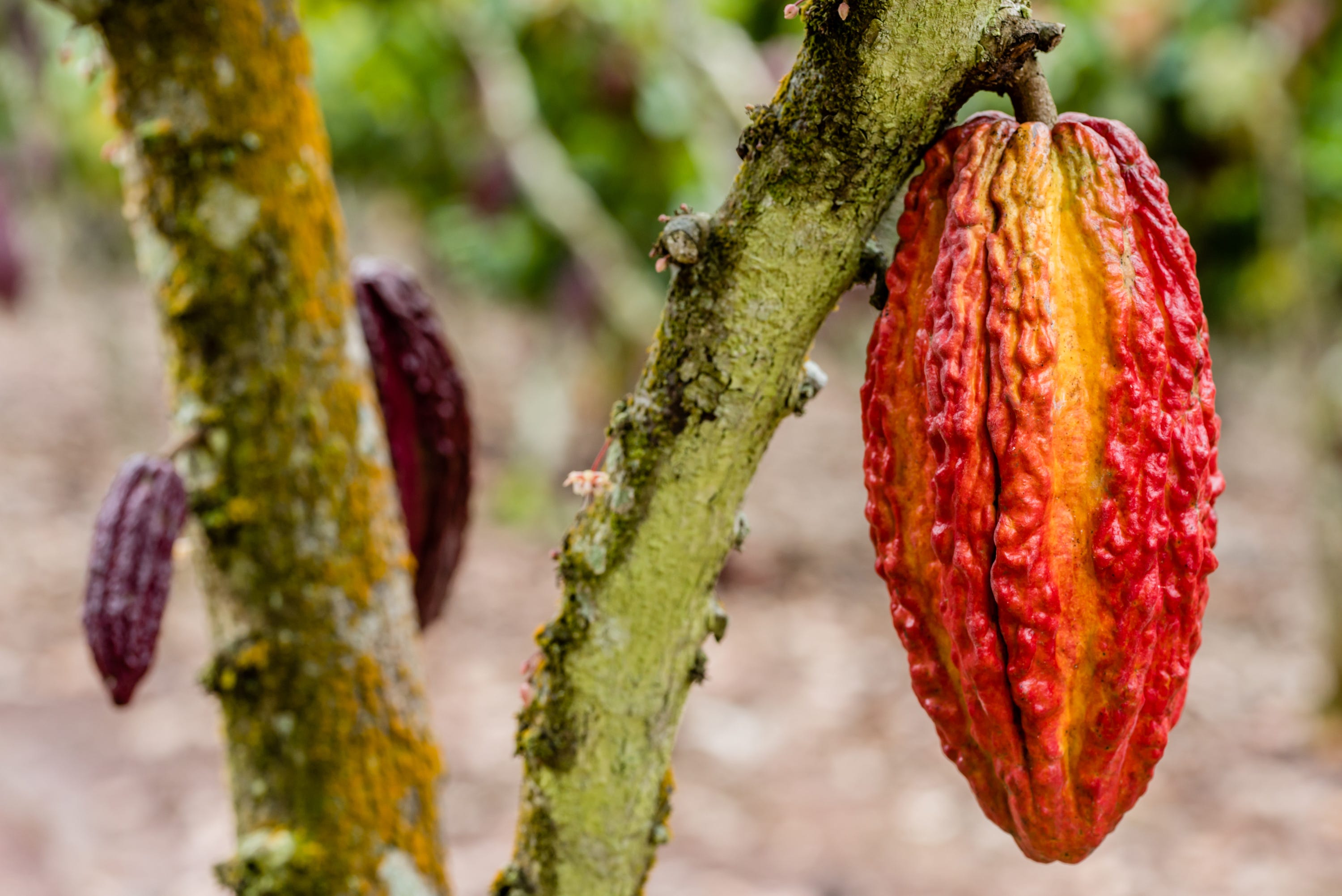
Fast forward to the early 16th century, when Spanish colonisers brought cacao to Europe. Initially a remedy for abdominal pain (because nothing says relief like chocolate bitterness), cacao underwent a sweet transformation and quickly became a court favourite. The 17th century ushered in chocolate houses among the wealthy elite, while the lower classes were still sipping on plain old coffee. Eventually, the beloved chocolate bars we now cherish made their way onto the scene, and the rest is sweet, sweet history.
Now, let's talk cacao cultivation – the meticulous process of turning the plant’s large colourful pods into the delights we crave. But hold the chocolate bars because the fun stuff is happening around the edges of these magical pods with an emerging range of exciting by-products. For starters, the papery husk surrounding the cacao nibs themselves, so often callously chucked away, can be made into a cacao tea. That’s right, a soothing beverage with a subtle chocolatey flavour, rich in antioxidants – who knew?
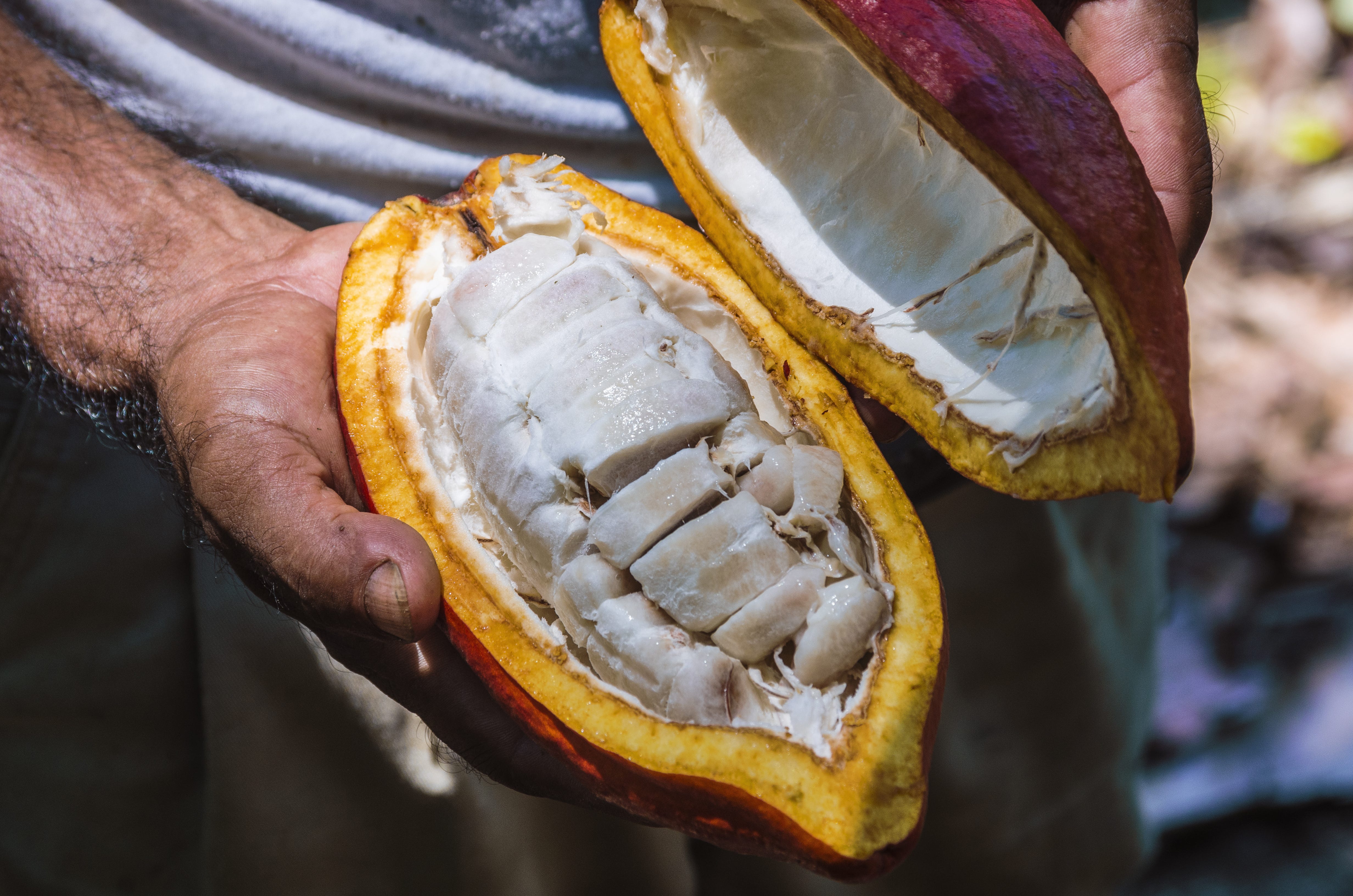
Then there’s the white pulp around the beans, known as mucílago in Spanish (translated as mucilage in English, hence the Spanish). Unlike the bitter bean itself, mucílago is fruity, sweet, tangy and slightly acidic, reminiscent of tropical fruits like passion fruit, mango and lychee. Whether fermented to produce a nutrient-rich cacao juice or perhaps also distilled for a boozy spirit, this tasty pulp brings an entirely new spectrum of flavours to the cacao beverage market. But the fun doesn’t end there, when reduced further the mucílago becomes a cacao honey, a sweet and fruity syrup with a deep molasses colour that’s as complex as decoding Willy Wonka's chocolate factory secrets.
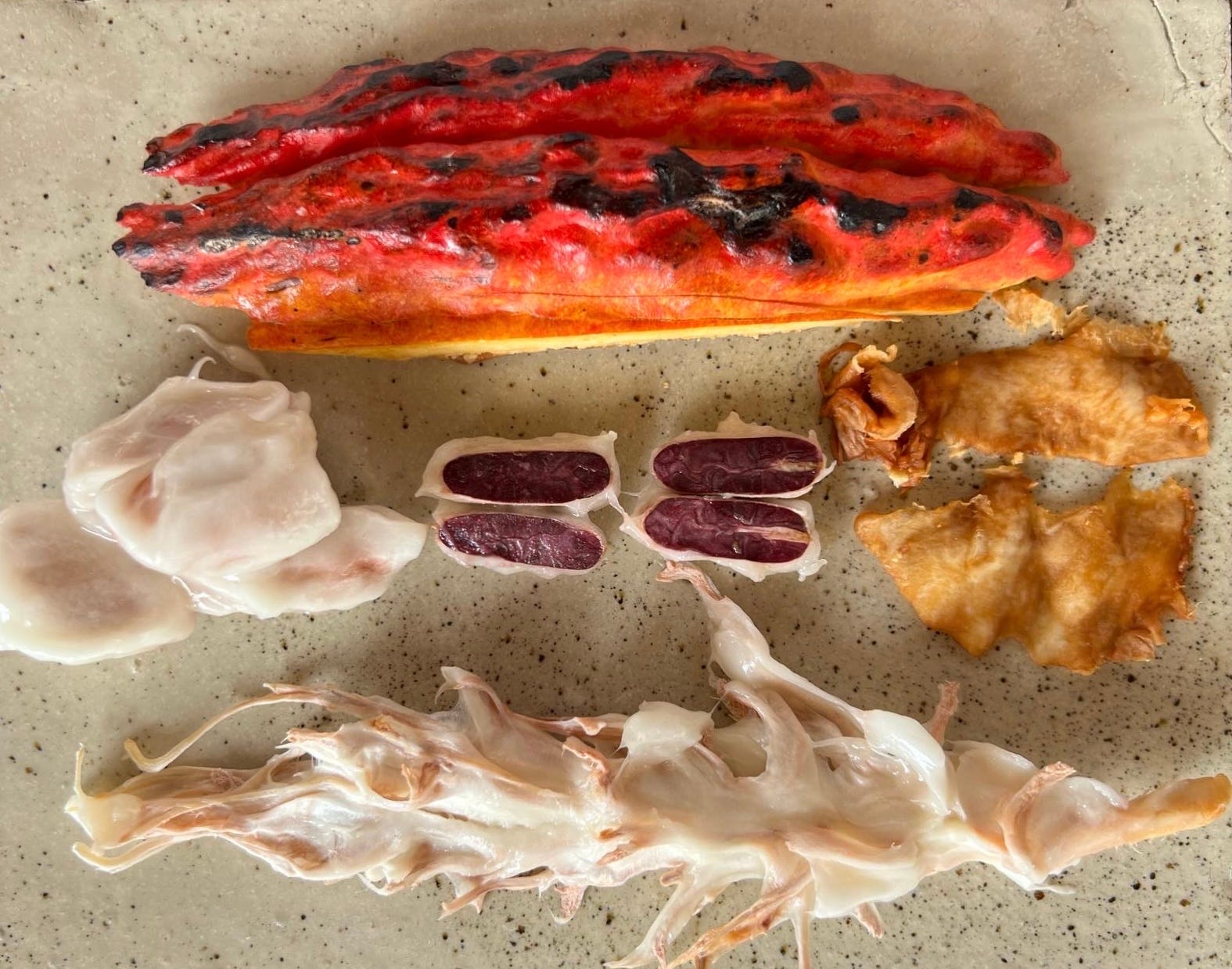
Renato Gordillo, the trail-blazing chocolatier behind the Lima-based chocolate shop Renacer, uses the mucílago, including the vein that runs through the centre of the cacao pod, to flavour some of his experimental chocolates. “We dehydrate the vein until it’s crunchy before dipping it in chocolate or caramel for a delicious snack. Then we use the rest of the mucílago to make gels and gummies that form a layer of some of our filled chocolates”. The result is a sublime blend of tropical nuances, seamlessly balanced with the sweet richness of chocolate in one decadent bite. A must-try if you are visiting Peru, Renacer turns the essence of cacao into a culinary masterpiece that dances on your taste buds.
Renato even dries the cacao pod shells so that they can be repurposed as decorative vessels and bowls. Imagine impressing your friends by serving them a mucílago-flavoured chocolate in one of those? Alongside a cacao husk tea, no less! Meanwhile, some cacao-producing regions are even transforming these pods into biofuel (this is getting so sustainable we may all need to go barefoot before I wrap up).
Expanding the cacao pod's repertoire isn't just eco-friendly, it's a culinary revolution. We're not only reducing waste and blowing minds; we're opening up whole new revenue streams for growers. Once the poster child for chocolate indulgence, cacao is now a champion of sustainable innovation. So, as you savour your next chocolate bar, take a moment to applaud the cacao pod for being the unsung hero – because we've only just begun to tap into the tantalising potential of this humble plant.
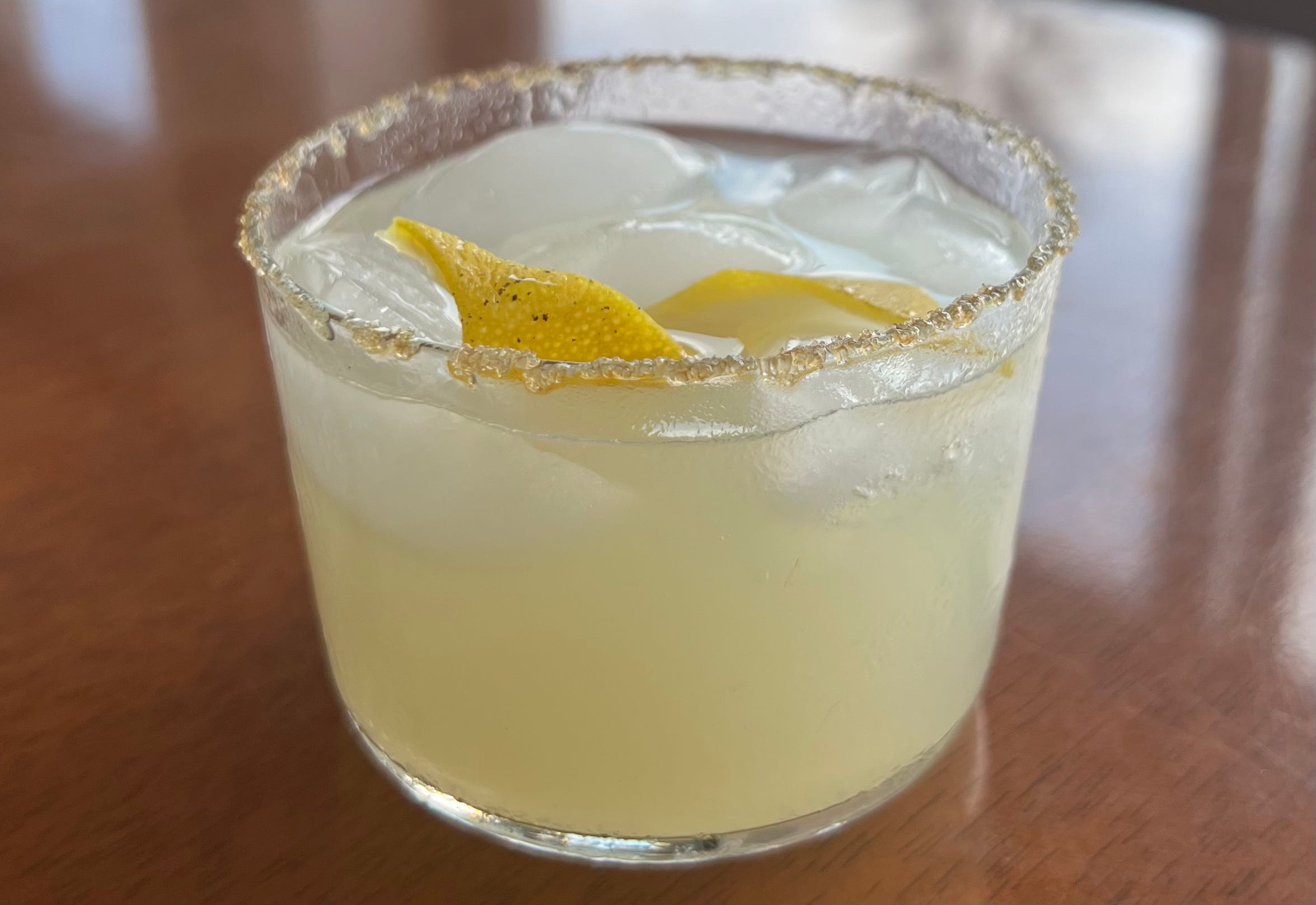
If you’re ready to take a sip of cacao innovation without needing a ticket to the tropics, here’s my recipe for a Mucílago Margarita, enjoy!
Ingredients
For the cocktail:
1.5oz tequila
1.5oz cacao juice
0.5oz lemon juice
0.5oz simple syrup
Ice
For the rim (optional):
Cacao honey
Sugar
Method
Spread the cacao honey and the sugar onto two separate plates. Lightly dip the edge of a glass into the honey and then the sugar to rim it.
Fill a cocktail shaker with ice and add all of the cocktail ingredients. Shake vigorously and strain into your prepared glass with ice.